
Methodology
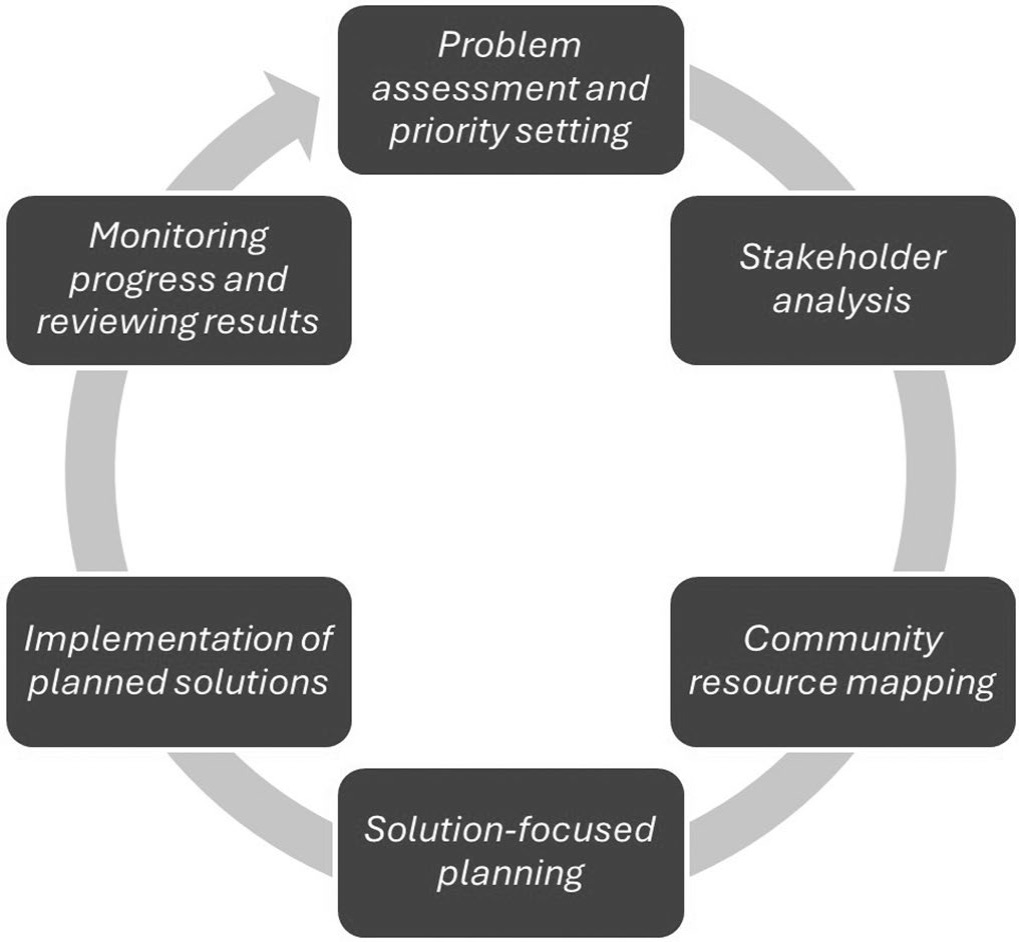
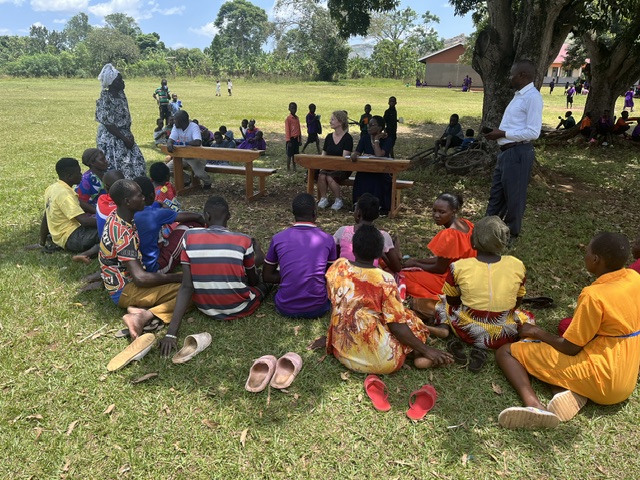
CSL is as a participatory and practice-based approach for co-creating solutions to complex social problems affecting poor, under-resourced, and marginalized communities. The book Community Social Labs and Social Work gives a detailed account of how CSLs can be implemented. The preparatory phase includes the development of operational materials, identification of key stakeholders, selection of field sites and students, and orientation of both students and academic staff to the CSL methodology. During the implementation phase, students are placed in communities. The book details the step-by-step process of community engagement, including problem assessment, stakeholder analysis, resource mapping, co-design of solutions, implementation, and evaluation of outcomes.
bb
b
We discuss empirically grounded strategies for fostering co-creation, developing the students’ professional and transformative skills, and promoting sustainability within community-university partnerships. Through critical pedagogical reflections, this book demonstrates the possibilities of strengthening university–community partnerships to address practical problems while at the same time developing curricula that more effectively respond to community needs.
b
b
b
“Community Social Labs are introduced as a way to ensure meaningful collaboration with communities to co-design solutions to local problems. This new book provides readers with a step-by-step guide to initiating and using a social lab at the community level, promising a genuine and co-equal approach to local participation that strengthens indigenization.”
Lynne M. Healy, Board of Trustees Distinguished Professor Emerita, University of Connecticut, and Main Representative to the UN, International Association of Schools of Social Work, USA
“This important scholarly contribution interweaves classroom teaching and community-based social work practice to advance bottom-up problem-solving. Integrating critical theory, participatory research, Ubuntu, and social innovation, it compellingly demonstrates the co-creative Community Social Labs methodology across three African contexts.”
Linda Kreitzer, Professor Emerita, University of Calgary, Faculty of Social Work, Canada

